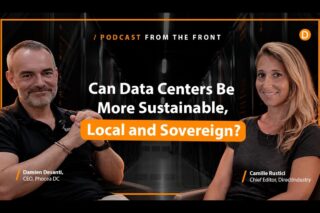

While AI, the cloud and the internet may seem virtual to us, the infrastructure that makes them all possible is very real, and it is housed in data centers. To understand what happens inside these facilities and why they have become essential to the digital economy, DirectIndustry visited Phocea DC, an urban data center in Marseille, France, and spoke with its founder, Damien Desanti. In this first episode, we take a closer look at what goes on behind the walls of a data center and explore what really lies behind the cloud. You can also watch our full podcast interview with Damien Desanti on our youtube channel.
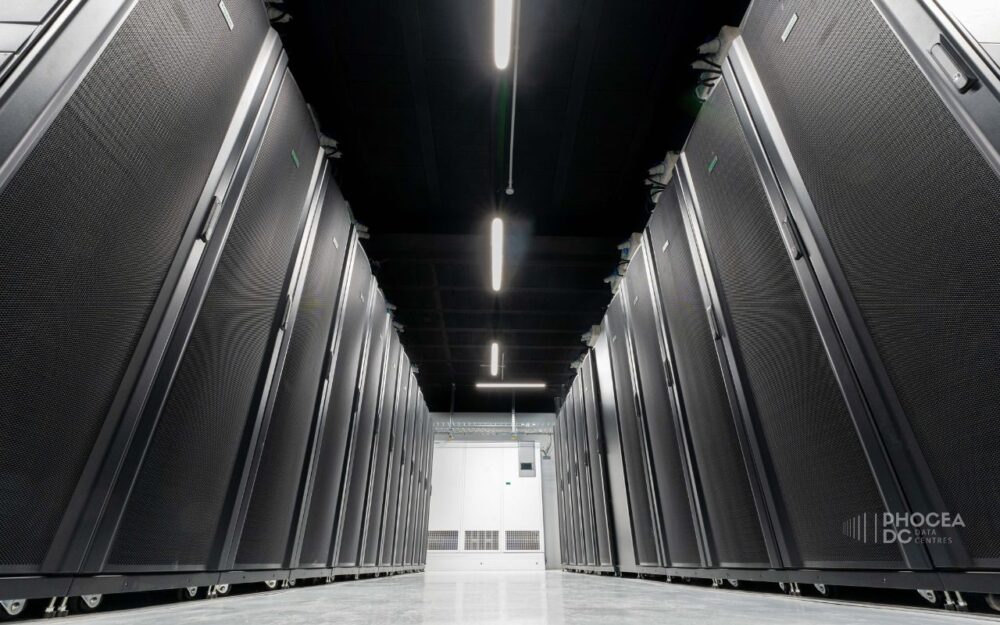
We use the internet, send emails, store files online and increasingly rely on AI. Yet, behind these seemingly intangible services lies a very real and physical infrastructure: the data center. But what exactly do these buildings contain, and what are they used for? We had the opportunity to step inside one of the now-essential facilities underpinning today’s digital economy in Marseille. Our guide was Damien Desanti, founder of Phocea DC, a data center operator based in the city.
Inside the Data Center
His facility houses IT infrastructure that is essential to the functioning of our digital economy. But this data center is somewhat unusual: it is located in the heart of Marseille, in a refurbished building close to residential areas. This contrasts with the large-scale facilities being developed in industrial and port areas, such as those operated by Digital Realty, one of the leading players in the sector.
Its urban location is no coincidence. Desanti advocates a model of data center that aims to be urban, energy-efficient and sovereign. This approach raises questions, particularly at a time when data centers are often associated with hyperscalers, massive electricity consumption and high water use. There is no denying that the sector has come under growing scrutiny, especially over its environmental footprint. But according to our guide, data centers can be built differently. Before exploring how, however, we need to understand what a data center actually is.
Not Quite in the Cloud
Damien Desanti first wants to clear up a common misconception:
“Digital technology isn’t in the cloud, as we’ve been led to believe in recent years. It isn’t intangible or scattered somewhere in cyberspace. It’s right here on the ground. It’s servers housed in buildings called data centers.”
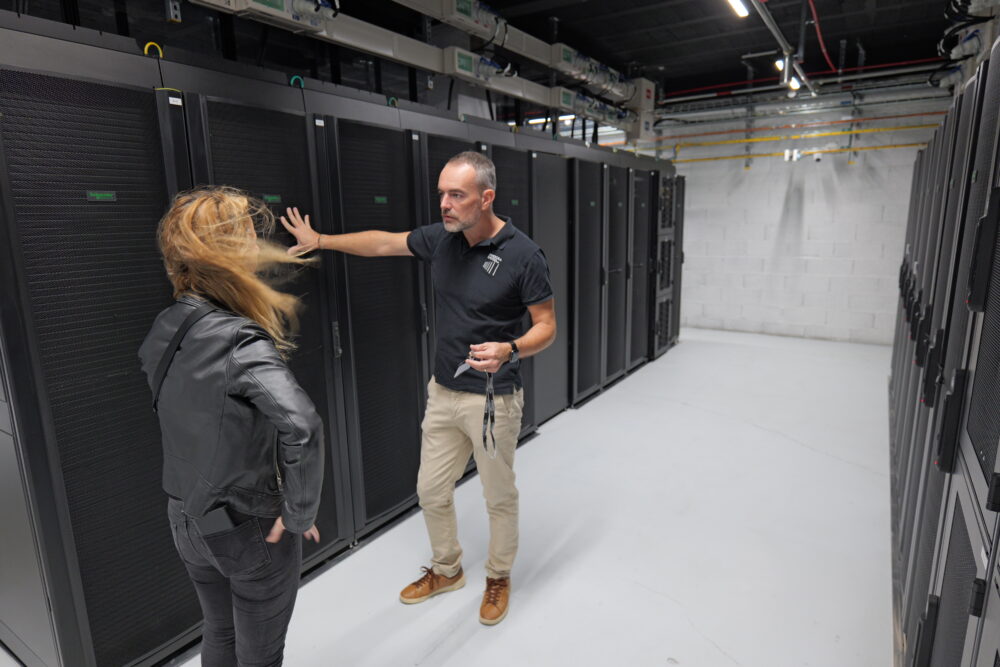
A data center is, first and foremost, a building designed to house IT equipment and keep it running around the clock. It contains servers that store, process and transmit the data required by digital applications and services.
These facilities are interconnected through communication networks, including submarine cables that carry data from one continent to another. In this respect, Marseille is a strategic location for data centers, thanks to the submarine cables that land in the city. This is a subject we have previously explored (read our article).
And for Desanti, there is no question about whether we need data centers:
“Our world is becoming increasingly digital. A large part of industrial activity and the service economy now relies on digital technology. Data centers are therefore essential.”
Much More Than a Room Full of Servers
A data center is not simply a room filled with rows of servers. Its operation depends on several complementary infrastructures.
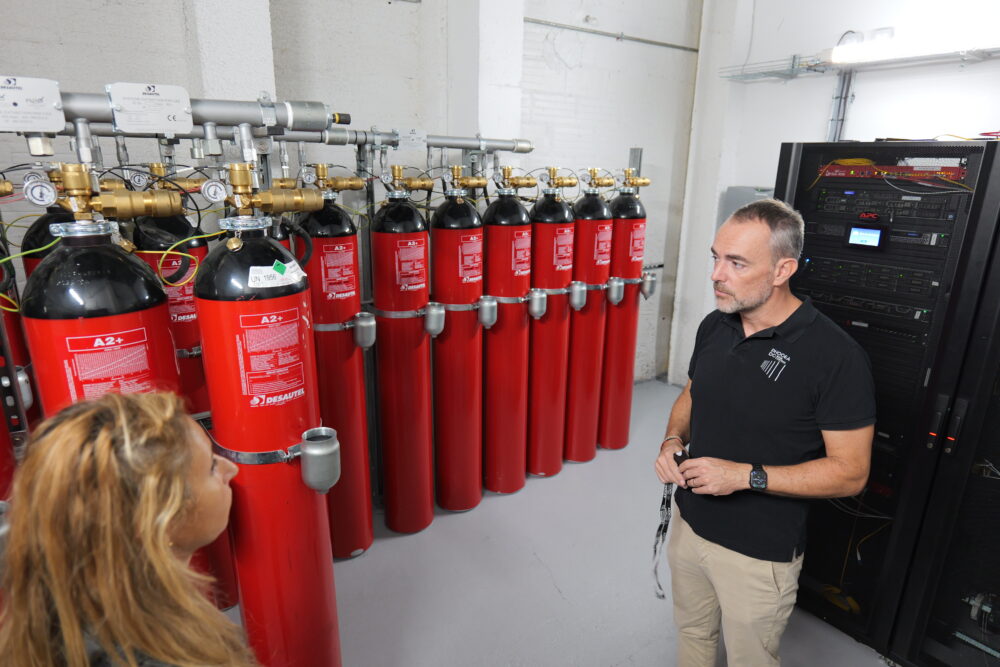
First, there is the building itself, which must ensure the physical security of the equipment, control access and prevent risks such as fire. It must also maintain precise temperature and humidity levels to ensure that the machines operate reliably. Then come the servers, installed in racks, which host applications, databases and information systems. These are supported by electrical systems, cooling equipment and connectivity infrastructure.
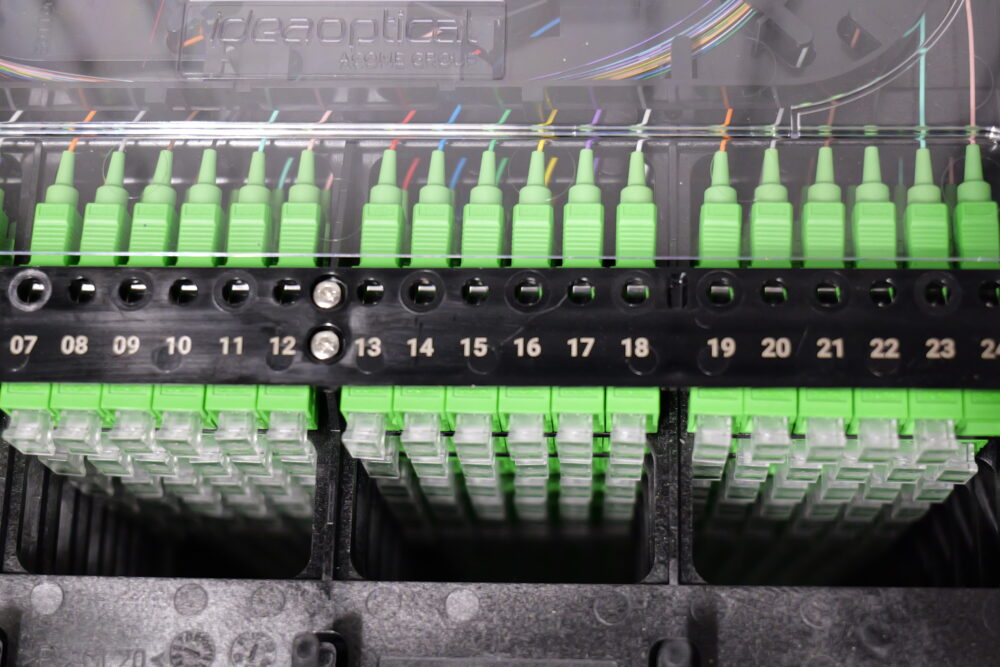
“The building itself plays a major role. Then you have the power supply, the cooling systems and the fibre-optic connections. “
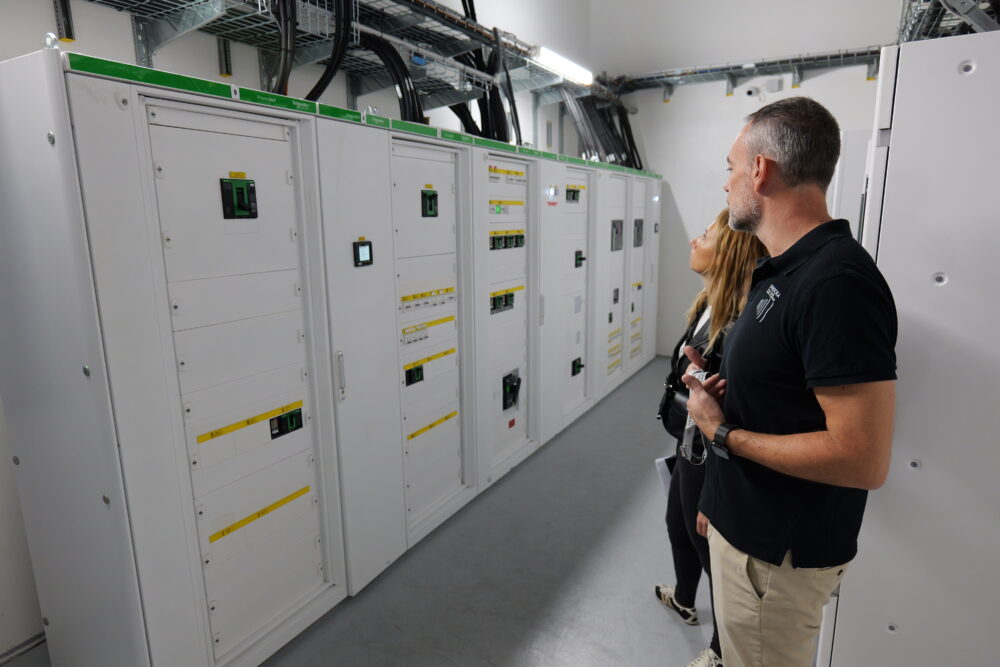
The power supply is particularly critical. A data center must operate continuously, even if the grid fails. Uninterruptible power supply (UPS) systems and backup generators are therefore designed to take over and keep the equipment running.
“Given our power requirements, we are connected to Enedis’ grid. But Enedis is not infallible. There may be maintenance work or other disruptions on the network. We therefore need backup systems in case the grid goes down. That’s where our generators come in: they take over from Enedis’ 20,000-volt power supply to compensate for any interruption, whenever it occurs. They are our emergency backup power source.”

You could also be interested in this story
Who Uses Data Centers?
Desanti distinguishes between three main categories of customers: digital service providers, telecommunications operators, and businesses or public authorities hosting their own IT systems.
Phocea DC positions itself in the latter part of the market, with an edge computing approach. Unlike hyperscale facilities designed to accommodate enormous computing capacities, its data centers typically range from 1 to 10 MW and are located closer to end users. This proximity allows them to serve a much broader range of customers, from regional SMEs and local authorities to telecommunications operators and AI startups.
Some customers install their own IT infrastructure in spaces provided by the operator, which are secured, powered and cooled. Banks, public administrations, small and medium-sized businesses, and technology companies all rely on these facilities to host their data and ensure that their services remain available.
“They rent secure spaces, with cooling and electricity included.”
Data centers are therefore the physical backbone of an economy that has become increasingly digital. And despite what the word “cloud” might suggest, data is never truly immaterial: it depends on machines, buildings, energy and networks.