


As the war between Iran, Israel, and the US enters its third week, rising energy prices and disrupted shipping routes are sending shockwaves through global markets. For Europe’s industrial sectors, which are already grappling with high energy costs, the conflict is emerging as another major test of resilience.
Ongoing Hostilities Rattle Global Markets
The escalating conflict involving Iran, Israel, and the United States is sending fresh shockwaves through global markets. And European industry is bracing for the economic fallout.
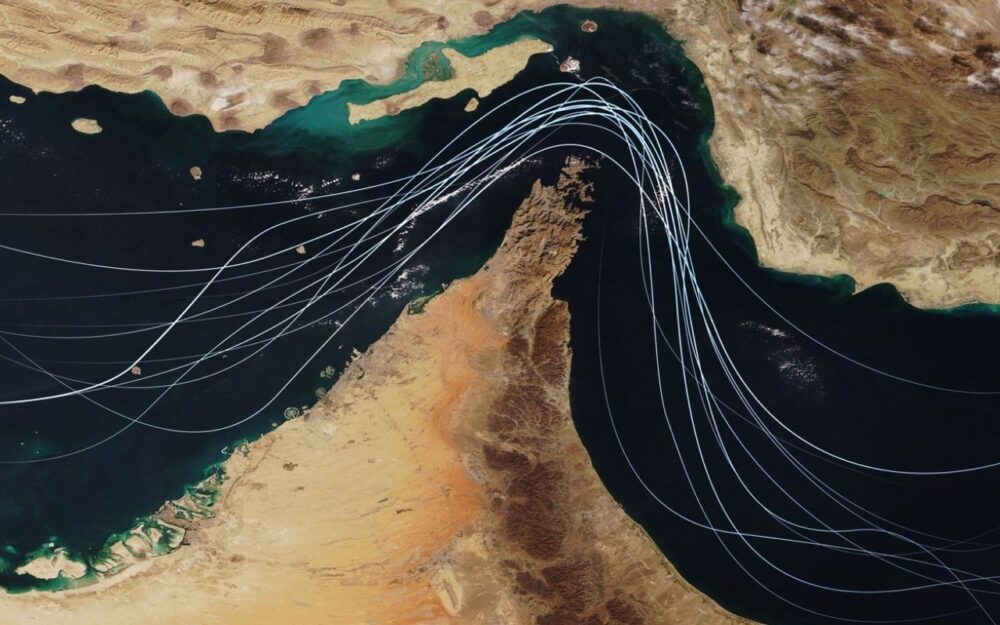
Since late February, air strikes, missile attacks, and retaliatory military actions have intensified across the Middle East. One of the most consequential developments for global commerce has been the disruption of shipping through the Strait of Hormuz, a narrow waterway through which around a fifth of the world’s oil supply normally passes.
Commercial shipping traffic through the strait has already dropped sharply, with tanker operators and insurers withdrawing vessels amid security concerns. This chokepoint disruption is now the single most important factor shaping the conflict’s economic impact.
Escalation Potential Remains High
While geopolitical analysts still expect the duration of the war to remain relatively short, possibly lasting a few weeks or months, levels of uncertainty remain high. Any prolonged disruption could have significant implications for global trade and inflation.
For Dan Alamariu, Chief Geopolitical Strategist at Alpine Macro, a Montreal-based investment research firm and member of the Oxford Economics Group,
“The risk of escalation remains a major concern. Yemen’s Houthi rebels could enter the conflict, disrupting shipping through the Red Sea and Suez Canal and removing an additional 5–6 million barrels per day from global supply. Further escalation could also come from US efforts to reopen the Strait of Hormuz or target Iran’s strategic assets [like the country’s energy infrastructure], moves that would likely provoke a stronger Iranian response. More severe still would be sustained strikes on Persian Gulf oil and gas infrastructure, which could delay the recovery of supply even after the conflict ends.”
Energy Prices Surge Reviving Inflation Concerns
These escalating risks are already being felt in global energy markets, where prices have reacted sharply since the outbreak of the war.
For Europe’s industrial base, rising energy costs are already having an impact. Brent crude briefly surged above US$110 per barrel in early March amid fears of supply disruption, while European natural gas prices nearly doubled within days as traders scrambled to assess the risk to global energy flows.
According to economic modelling by Oxford Economics, sustained oil prices around US$100 per barrel could reduce Eurozone GDP by around 0.3 percentage points by the end of 2026, while pushing inflation higher across the bloc. In a more severe scenario, where oil prices climb toward US$140 per barrel and gas prices surge further, the impact could be considerably larger, potentially shaving 1% off Eurozone GDP and pushing inflation above 4%.
Such price shocks would ripple quickly through industrial supply chains, with energy a fundamental input across manufacturing, logistics, and materials production. When fuel and electricity costs spike, the entire industrial ecosystem feels the pressure, with some European industrial sectors far more exposed than others.
Chemicals Sector Faces Renewed Competitiveness Challenge
Among European industry, the chemicals sector is likely to be one of the hardest hit.
Chemical production relies heavily on hydrocarbons, both as fuel and as feedstocks used to manufacture plastics, fertilisers, and industrial materials. That means rising oil and gas prices translate directly into higher production costs.
Oxford Economics warns that Europe’s chemical producers are particularly vulnerable because natural gas prices in the region remain structurally higher than in many competing markets. The recent surge in gas prices, which have nearly doubled in recent days, risks further eroding the sector’s competitiveness against global rivals.
This disadvantage could become more pronounced if energy prices remain elevated for an extended period. While producers in the US benefit from relatively cheap domestic gas supplies, and many Asian producers rely more heavily on coal-based feedstocks, European companies remain more exposed to global gas market volatility. For manufacturers already grappling with high energy costs following the 2022 energy crisis, the conflict threatens to deepen existing structural challenges.
Metals, Minerals, and Heavy Industry Under Pressure
Energy-intensive industries beyond chemicals are also facing renewed strain.
The production of aluminium, steel, and cement relies heavily on electricity and natural gas to power high-temperature industrial processes. Rising gas prices feed directly into electricity costs, amplifying the pressure on these manufacturing sectors. Higher costs could force some European producers to scale back output, particularly those already operating on thin margins.
The metals sector faces an additional risk related to supply chains. A significant share of global aluminium shipments transit through the Strait of Hormuz, meaning prolonged disruption could also affect the availability of raw materials.
Although the current price surge remains far smaller than the dramatic spikes seen during the 2022 gas crisis, analysts warn that continued instability could exacerbate Europe’s long-running industrial competitiveness concerns. The latest energy shock following the beginning of the war in Ukraine, reminds Europe of its risky reliance on gas, with the EU paying an additional €2.5 billion for fossil fuel imports in the first 10 days of the conflict alone.
Transport and Logistics Costs Climb
Transport-related sectors are also feeling the impact.
Road transport, aviation, and shipping are among the most energy-intensive industries in the global economy, making them highly sensitive to fluctuations in oil prices. Fuel accounts for a major share of operating costs in freight and logistics operations, meaning any sustained rise in crude prices quickly feeds through into higher shipping rates and transport expenses.
For manufacturers, this creates an additional cost layer on top of rising energy bills. Higher freight costs can increase the price of raw materials, component, and finished products — further squeezing margins across supply chains.
At the same time, geopolitical risks to shipping routes could trigger further logistical disruptions if insurers continue withdrawing coverage for vessels operating near conflict zones.
Automotive Industry Faces Indirect Risks
Europe’s automotive sector is unlikely to be directly affected by the conflict itself, but it remains highly exposed to the broader economic ripple effects.
Car manufacturing depends on complex global supply chains involving metals, plastics, semiconductors, and logistics networks, all of which could face cost increases if energy prices remain elevated. Higher fuel prices may also dampen consumer demand for vehicles, particularly in price-sensitive markets.
Some analysts have warned that prolonged geopolitical tensions could add another headwind to an industry already navigating the costly transition toward electric mobility and fierce competition from Chinese manufacturers.
How Businesses Are Responding
For European businesses, the priority is managing cost volatility and supply chain risk.
Many companies have spent the past few years strengthening their resilience following the COVID-19 pandemic and Russia’s invasion of Ukraine. Strategies now being deployed include diversifying energy sources, hedging fuel costs, and adjusting supplier networks.
Supply chain diversification is becoming increasingly important, particularly for companies reliant on materials or components transported through geopolitical chokepoints. This is a strategy that is already being chosen by procurement departments as we covered in one of our stories at the beginning of the year. One important figure is that in 2026, 60% of organizations plan to mitigate risk through dual sourcing, that means having two suppliers for the same product or service.
European governments are also beginning to respond. Several EU countries have already announced temporary measures to offset rising fuel costs, including tax reductions and price caps. These interventions are expected to remain relatively modest compared with the massive energy support packages introduced during the 2021-2022 crisis.
The European Commission is also exploring potential policy responses, including measures aimed at stabilising gas markets if the situation deteriorates further.
“Such responses are unlikely to resolve the issue, but they may offer some marginal relief from war-driven energy price increases,” says Dan Alamariu. “Ultimately, a sustained easing in oil and gas prices will only happen when the conflict comes to an end.”
Future Focus: Uncertainty Remains the Biggest Risk
For many European industrial sectors, much will depend on how the conflict unfolds over the coming weeks.
Some geopolitical analysts believe the fighting could end within two months, with an informal ceasefire allowing all sides to claim victory. If this prediction proves accurate, the energy shock could remain temporary, similar to previous geopolitical flare-ups that triggered short-term volatility but limited long-term economic damage.
However, the situation could change rapidly.
A prolonged closure of the Strait of Hormuz or further escalation across the region could trigger a much larger and more sustained shock, pushing oil prices sharply higher and increasing the risk of recession in energy-importing economies. For Europe’s industrial sectors, the key question is not just how long the conflict lasts, but how long energy prices remain elevated.
After several years marked by pandemic disruptions, supply chain crises, tariffs, geopolitical tensions, territorial dispute over Greenland, war in Europe, war in Venezuela, the latest Middle East conflict is yet another reminder of how quickly so-called “black swan” events can reshape the operating environment for global business. For European industry, this means resilience is becoming just as important as efficiency.