


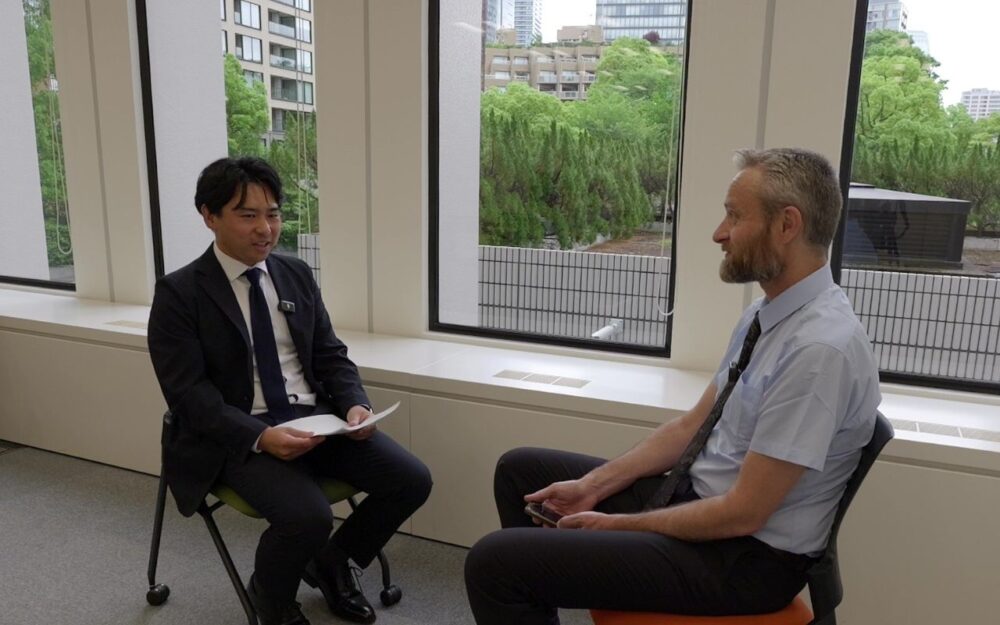

During a reporting trip across Japan, DirectIndustry met with industrial companies, institutions and organizations to explore a structural question: why is Europe becoming increasingly central in Japan’s industrial and economic strategy? For this episode, we met Daisuke Shiga, Deputy Director at JETRO, to discuss the organization’s mission, the growing importance of Europe for Japanese companies and the opportunities for deeper industrial collaboration between Japan and European markets.
As global geopolitical tensions and supply chain disruptions reshape industrial strategies, Japan and Europe are strengthening their economic ties around shared priorities: innovation, green technologies and long-term industrial cooperation. For Japanese companies, Europe represents not only a major market, but also an ecosystem for collaboration and technological development.
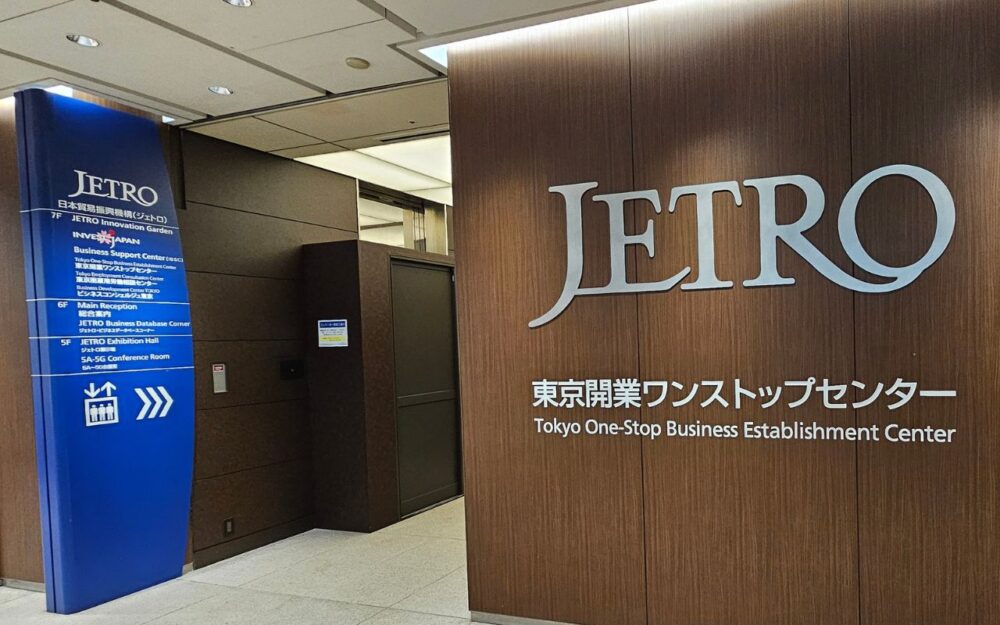
JETRO (Japan External Trade Organization) plays a key role in supporting this international expansion. Through its global network, market intelligence services, business matching programs and support for startups, the organization helps Japanese companies, particularly SMEs, navigate foreign markets and build sustainable partnerships abroad.
In this conversation, Daisuke Shiga, Deputy Director at JETRO explains how Europe has evolved from being primarily an export destination into a strategic partner for Japanese companies, particularly in areas such as sustainability, digital transformation, advanced technologies and resilient supply chains.

Watch our video interview
Could you explain to our audience what JETRO does?
Daisuke Shiga: “JETRO is an independent agency of the Japanese government under the Ministry of Economy, Trade and Industry. We have 76 offices worldwide across 56 countries, as well as 50 offices throughout Japan, with one in each prefecture. Our mission is to promote trade and business between Japan and the rest of the world, attract foreign investment into Japan and support Japanese companies, especially small and medium-sized enterprises, in expanding their businesses internationally.”
What are JETRO’s main strategic priorities in Europe?
Daisuke Shiga: “JETRO’s main strategic priority in Europe is to strengthen bilateral economic ties, promote innovation and support sustainable and digital transformation through international partnerships. We are particularly focused on facilitating collaboration in key areas such as green technologies, digital innovation and resilient supply chains. Another important objective is to increase the visibility and presence of Japanese companies across Europe and help them connect with local ecosystems.”
How does JETRO concretely support Japanese companies entering or expanding within Europe?
Daisuke Shiga: “JETRO supports companies through business matching, connections with local innovation ecosystems and advisory services. We also assist startups through acceleration programs, particularly in cooperation with European acceleration hubs. In addition, we provide market intelligence and regulatory guidance to help companies better understand local requirements and reduce barriers to entering European markets.”
How are geopolitical tensions and supply chain disruptions influencing the ambitions of Japanese companies?
Daisuke Shiga: “Geopolitical tensions and supply chain disruptions are accelerating diversification strategies among Japanese companies. Europe is increasingly seen as a stable and strategic region where companies can mitigate risks and build more resilient supply chains. This is also a priority for the Japanese government. We expect deeper economic and industrial cooperation between Japan and Europe, particularly in strategic sectors such as green energy, digital innovation and advanced technologies. More Japanese companies are likely to establish a long-term presence in Europe, especially in countries such as France.”
Why is the European market becoming increasingly important for Japanese companies?
Daisuke Shiga: “Europe has become increasingly important because of its leadership in sustainability policies, advanced regulatory frameworks and strong demand for high technologies. Compared with a few years ago, Japanese companies increasingly see Europe not only as a market, but also as a partner for innovation. Europe offers a large unified market, as well as a highly developed research and development ecosystem, making it an attractive region for long-term collaboration.”
From a European perspective, what makes Japanese companies attractive partners?
Daisuke Shiga: “Japanese companies are highly regarded for their quality, reliability and advanced manufacturing capabilities. They are particularly competitive in fields such as advanced materials, precision engineering, robotics, automotive technologies and energy-efficiency solutions.These strengths align well with Europe’s industrial priorities, creating significant opportunities for collaboration between Japanese companies and European partners.”