

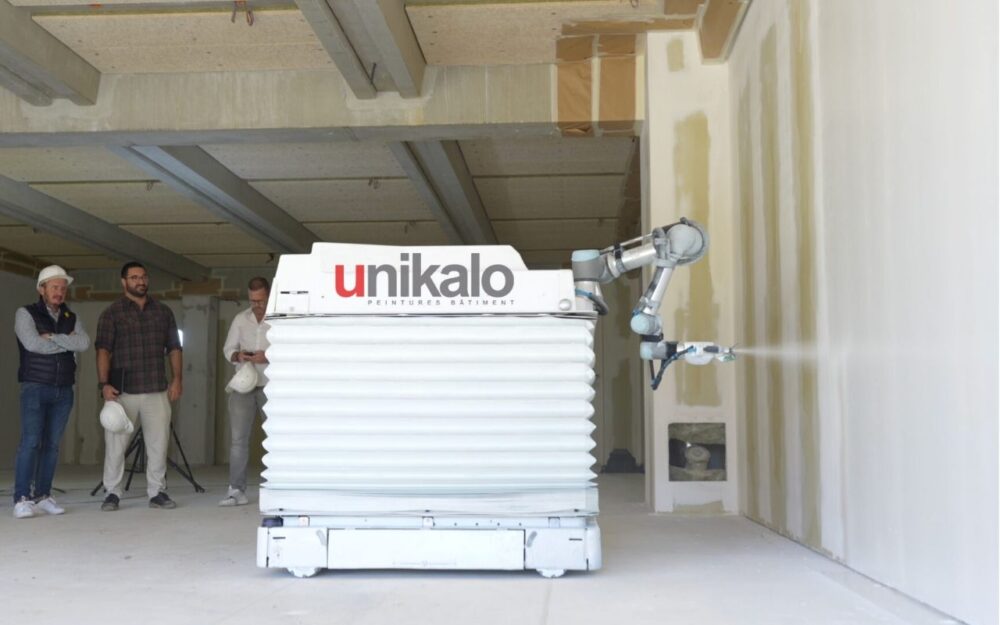

Robots-as-a-Service (RaaS), is a usage-based industrial and economic model (equipment rental bundled with services) that has its roots in the logistics sector. Today, this model is becoming cross-cutting. It will enable entire sectors to reduce the risks associated with deploying these new technologies for users. Antoine Rennuit, founder and CEO at Les Companions gives his analysis of this deep-seated trend that is taking hold on construction sites.
From Warehouse to Construction Site: Robotics on Demand
Historically, major investments have been made in logistics infrastructure (warehouses, racking, material handling equipment). But new players, especially in robotics, have recently brought their share of technical, financial and usage-related innovations in response to a key question: how do you get people to adopt a new technology that is inherently risky, when investments are high and needs fluctuate with seasons and projects?
Manufacturers of logistics robots have assumed this risk by offering a Robots-as-a-Service model: the logistics operator does not own the robots but rents them through a subscription, a lease, or pay-per-task billing. It is an extension of the “as-a-Service” concept (e.g. SaaS, PaaS, etc.) applied to robotics.
Three Operational Layers
The model is based on three operational layers: a high-performance physical robot; a software infrastructure to supervise, manage, maintain and analyze the robot “over the air” (remotely); and a set of associated services, including installation, training and support. The robotics company retains ownership of the robot and provides both proactive and reactive maintenance, supervision and consulting, working in close partnership with the logistics customer.
This setup enables the end customer to test the robots while limiting risk (reducing CAPEX) and then to deploy them flexibly, adapting the fleet to its needs during seasonal swings and peak periods (Black Friday, year-end holidays, etc.). For the robotics provider, this makes it possible to generate recurring revenue, collect data on usage (to continuously improve the robots) and foster customer loyalty through a close relationship.
New Financing Players
However, this model raises the question of how to finance these machines, which, no longer being funded by the end customer, must now be financed by the supplier.
Today, new financing players are emerging; they are still few in number, but specialized leasing companies now enable robotics manufacturers to finance the machines they design themselves so they can offer them under a RaaS model.
This movement, initiated by the supply chain, is now expanding into other sectors such as construction and building. The structuring of the available offering has enabled the RaaS model to be extended, thereby changing financing models, a boon for sectors such as construction, which are highly dependent on demand and on the specific characteristics of each worksite for their equipment choices.
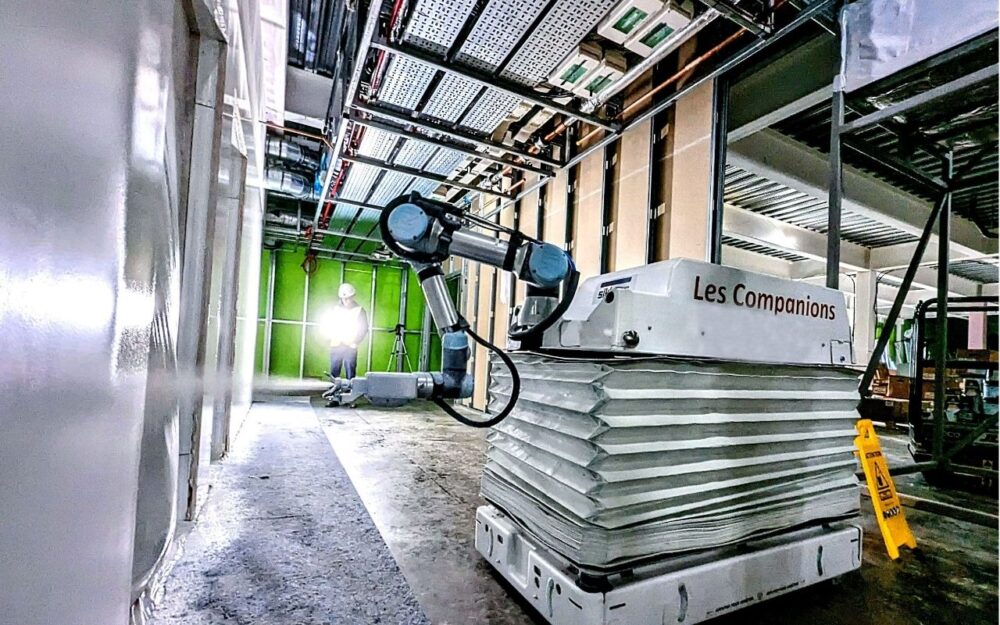
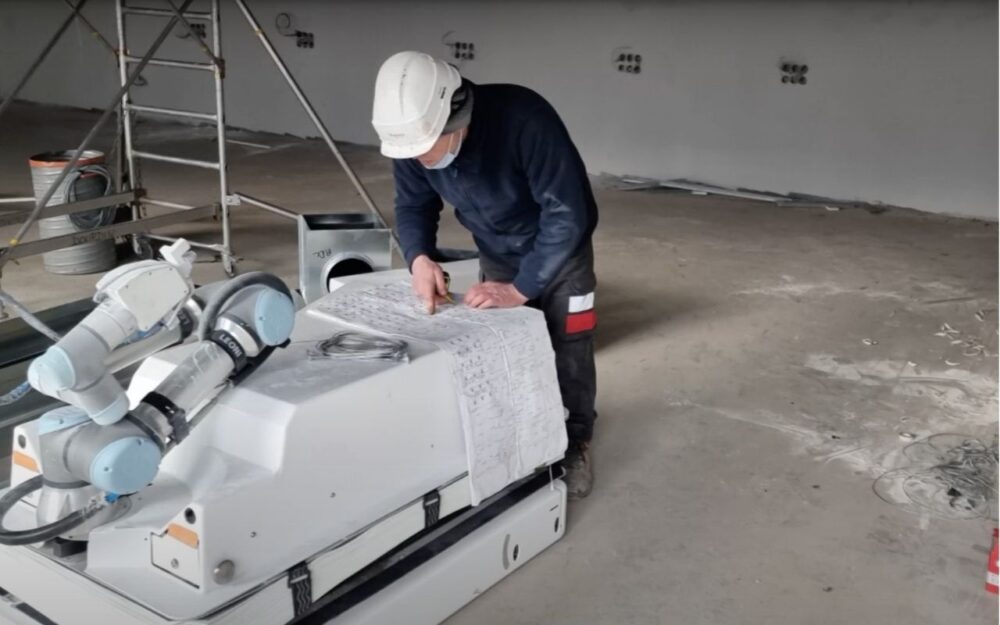
RAAS: The Challenges for the Construction and Building Sector
Unlike simple equipment rental, as offered by companies such as Loxam or Kiloutou, RaaS includes much more in-depth support. It is about implementing a complex industrial solution inside a construction company, along with dedicated support services. The “loyalty account” is then replaced by the establishment of a long-term partnership.
Beyond the financial dimension, the adoption of robotics in a production process raises structural questions that are far removed from the day-to-day business of painters, masons, plumbers or electricians. It is essential that the construction robotics provider or supplier can support its customers and partners, building companies, in the operational deployment of robots.
When it comes to responding to calls for tenders, the robotics manufacturer will have to support its customer to define its costs (which robotics will reduce), assess the feasibility of worksites, showcase the value of robotics (quality, speed of execution, management of concurrent activities on site), understand the constraints and anticipate the relationship with the project management team… In practical terms, this means helping the construction company respond to tenders. Backed by the expertise of the robotics manufacturer, the contractor can submit a much stronger value proposition…
Robots-as-a-Service thus becomes the technical means of achieving an economic shift. New markets can be opened up thanks to reduced CAPEX, allowing professionals to benefit from a high-performance tool on demand.
Construction professionals, tradespeople, investors – the ball is in our court.
You could also be interested in this other op-ed